
How Does CCD Detection Equipment Achieve hundred percent Automated Full Inspection
2026-05-25
In the world of modern manufacturing, achieving consistent quality is non-negotiable. For industries like 3C electronics and new energy, where components are miniaturized and tolerances are tight, manual inspection is no longer viable. CCD detection equipment has emerged as the cornerstone of smart industrial automation, enabling factories to conduct 100% automated full inspection with unparalleled accuracy. But how does this technology actually work to eliminate human error and boost competitiveness?
The Core Principle: Vision Meets Algorithm
At its heart, CCD (Charge-Coupled Device) detection is not just about taking pictures; it's about converting visual data into precise dimensional measurements.
The process is a continuous loop of data acquisition and analysis:
- Image Acquisition: High-resolution CCD cameras capture multiple images of the product from different angles, obtaining feature dimensions and edge contour lines.
- Software Processing: Powerful algorithms process the captured images. They don't just "look" for defects; they calculate relevant dimensions and compare them against a golden standard.
- Intelligent Judgment: The system makes an objective pass/fail decision based on pre-set tolerances, ensuring the accuracy of the testing process is maintained 24/7.
The Anatomy of an Automated Inspection System
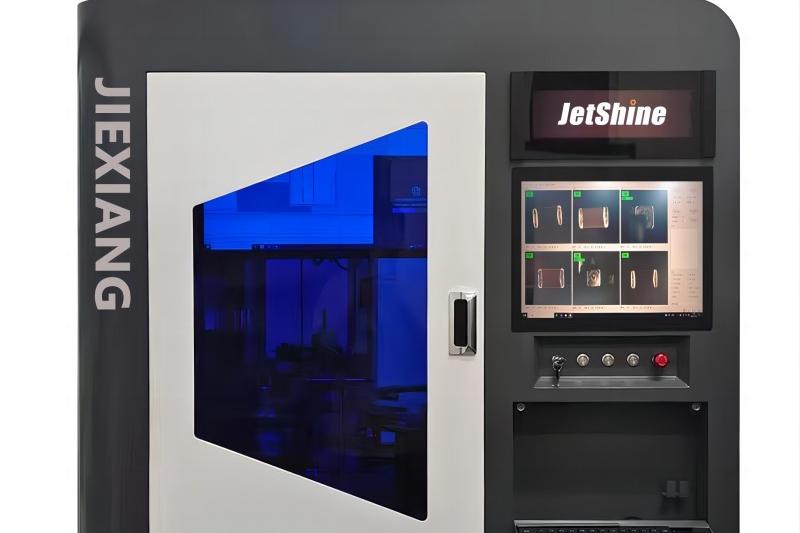
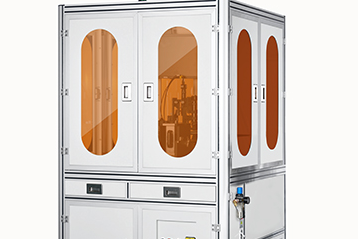
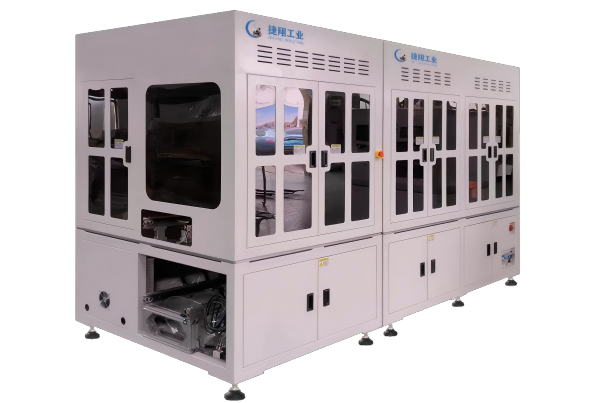
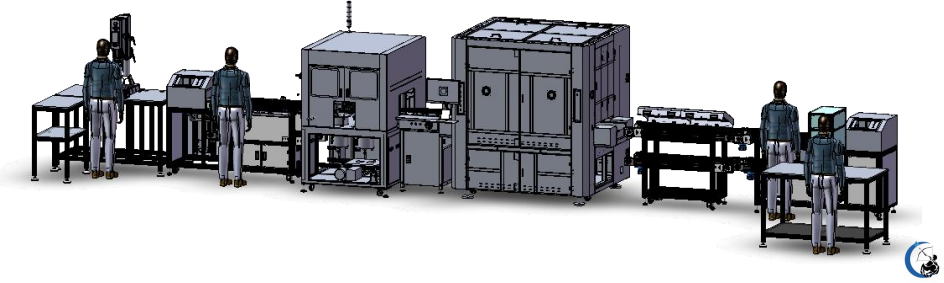
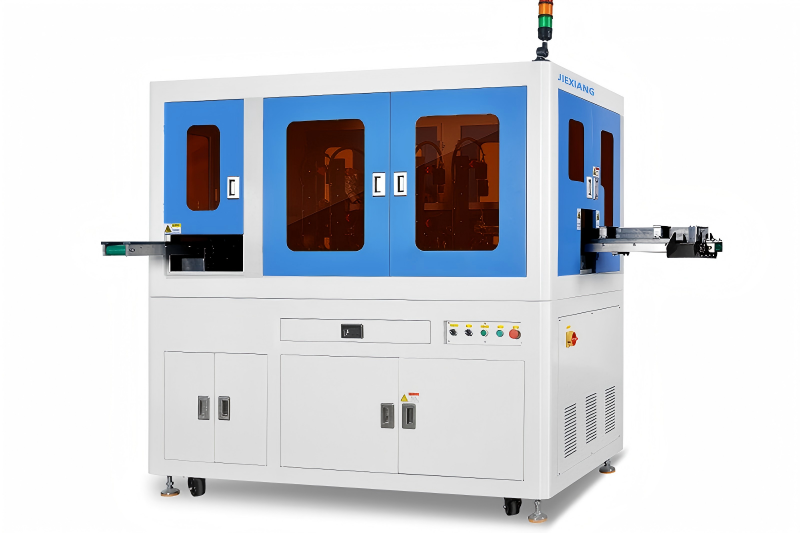
A complete CCD visual inspection system is more than just a camera. It is an integrated ecosystem of synchronized components:
- Automatic Loading System: Feeds products into the inspection zone without manual intervention.
- Transmission & Positioning System: Often utilizes a 360-degree indexing plate that seamlessly connects to glass plates for stable, precise positioning.
- Automatic Measuring System: The core where the CCD cameras and lighting systems perform the scan.
- Sorting & Unloading System: Automatically segregates qualified from unqualified parts based on the measurement data.
- Data Processing System: Provides statistical analysis and real-time measurement data for process optimization.
4 Key Advantages Over Manual Inspection
Why are manufacturers rapidly replacing manual repetitive testing with CCD automation? The benefits are quantifiable and impactful.
1. Unmatched Objectivity and Accuracy
Human inspectors are subject to fatigue, emotional fluctuation, and varying levels of experience. CCD detection equipment is emotionless and consistent. It will judge the same product the same way every single time, eliminating the subjectivity that plagues manual inspection.
2. 24/7 High-Speed Operation
Unlike a human eye, a CCD system does not get tired. It can operate continuously within an ambient temperature range of 5-40°C, handling high-speed moving objects on a production line without breaking stride. This reliability is crucial for meeting tight production deadlines and improving testing efficiency.
3. Cost Efficiency at Scale
While the initial investment is higher, the long-term ROI is clear. One machine can often match the output of multiple manual inspectors, reducing labor costs and turnover issues. It avoids secondary damage to delicate products and saves costs by catching defects early.
4. Wide-Ranging Flexibility
Modern non-standard automation equipment is designed for adaptability. With quick product changeovers and a wide detection range, the same machine can be reconfigured for different product lines, protecting your investment as your manufacturing needs evolve.
Is CCD Detection Right for Your Operation?
The shift to automated visual inspection is inevitable for any business focused on enhancing competitiveness. If your operation struggles with high defect escape rates, rising labor costs, or the inability to inspect every unit, CCD detection equipment is the definitive solution. It bridges the gap between traditional manufacturing and the demands of the smart factory era.
Recent Posts
Contact US
Product Information
Quantity
Unit
Piece
Support order samples, customization, wholesale direct, and complete payment. If the product you look for does not have corresponding customized content, pls fill out the form below to contact us, and we will reply ASAP.