
Manual Inspection vs Automated Screening: Which Is Better for Electronic Components?
2026-03-17
In the electronics manufacturing industry, inspection plays a crucial role in ensuring product quality and reliability. For components such as chip capacitors and resistors, even the smallest defect can lead to circuit failure or reduced performance.
Traditionally, many manufacturers relied on manual inspection. However, with increasing production volumes and stricter quality requirements, automated screening systems—especially those based on CCD visual inspection—are becoming the industry standard.
So, which approach is better: manual inspection or automated screening? Let’s explore the differences in a practical and business-focused way.
Understanding Manual Inspection
Manual inspection involves trained operators visually checking components using tools such as microscopes or magnifying lenses.
Advantages of Manual Inspection
-
Low initial investment
-
Flexible for small batch production
-
Easy to implement without complex setup
For small-scale operations or prototype production, manual inspection may still be a reasonable choice.
Limitations of Manual Inspection
However, manual inspection comes with several challenges:
-
Operator fatigue over long working hours
-
Inconsistent judgment between different inspectors
-
Limited ability to detect micro-defects
-
Lower inspection speed
And let’s be honest—humans are not designed to inspect thousands of tiny components continuously. Over time, accuracy and efficiency both decline.
What Is Automated Screening?
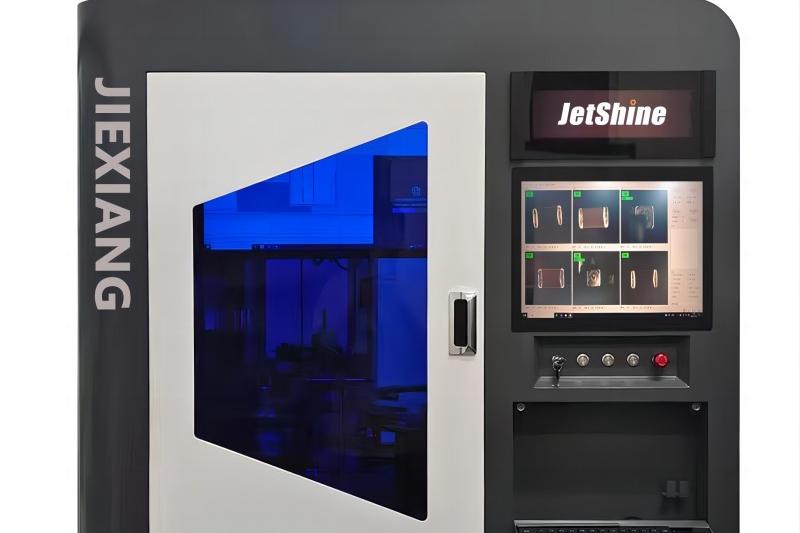
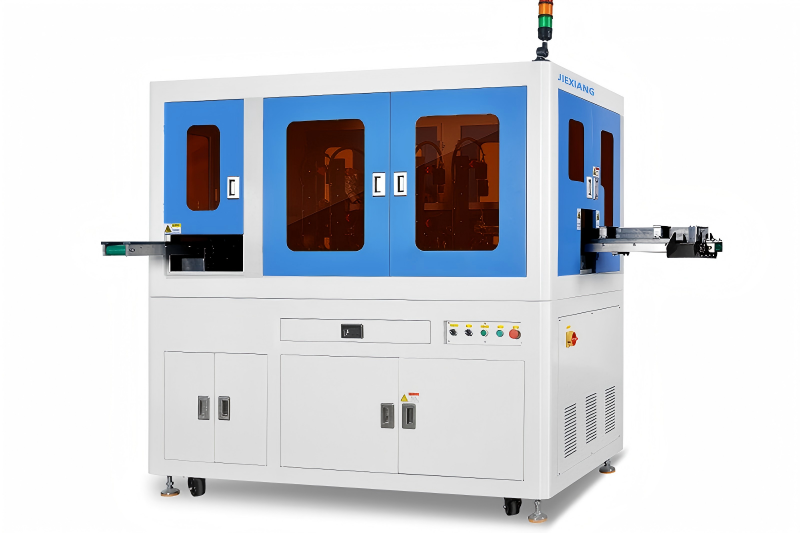
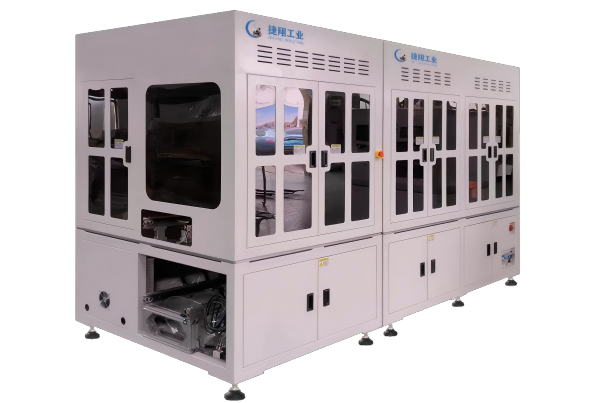
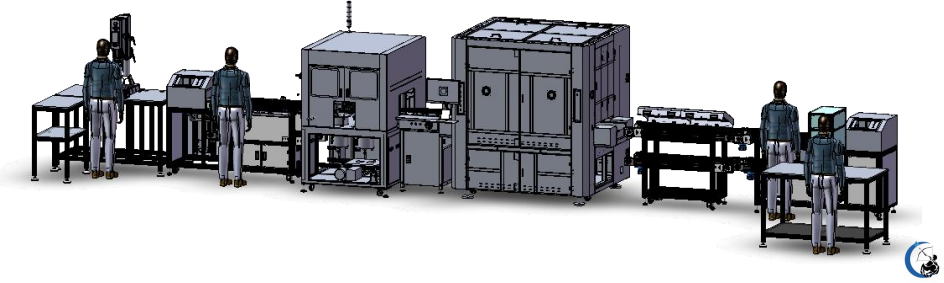
Automated screening uses machines such as chip capacitor and resistor detection and screening machines equipped with CCD vision systems and intelligent algorithms.
These systems can automatically complete:
-
Material feeding
-
Image capture and analysis
-
Parameter-based evaluation (capacitance/resistance)
-
Sorting and classification of components
The entire process is performed continuously and consistently without manual intervention.
Key Differences Between Manual and Automated Inspection
1. Inspection Accuracy
Manual inspection depends heavily on human judgment. Even experienced operators may miss subtle defects, especially under fatigue.
Automated screening systems provide consistent and repeatable accuracy. They detect:
-
Surface defects
-
Dimensional deviations
-
Contamination
-
Parameter inconsistencies
This ensures stable quality control across large production volumes.
2. Inspection Speed and Efficiency
Manual inspection is relatively slow. As product complexity increases, inspection time per unit also increases.
Automated screening machines can inspect thousands of components per hour. This significantly improves throughput and reduces production bottlenecks.
It become a critical advantage in high-volume electronics manufacturing.
3. Labor Cost vs Equipment Investment
Manual inspection has low initial cost but high ongoing labor expenses. Over time, salaries, training, and management costs accumulate.
Automated systems require higher upfront investment but lower long-term operating costs. Fewer operators are needed, and productivity increases.
From a long-term perspective, automation often delivers better ROI.
4. Consistency and Standardization
Manual inspection results may vary between operators or shifts. This lack of consistency can affect overall product quality.
Automated screening systems follow predefined standards and algorithms. Every component is evaluated using the same criteria.
This improves product consistency and customer trust.
5. Data Collection and Traceability
Manual inspection generates limited data, often recorded manually or not at all.
Automated systems provide:
-
Real-time inspection data
-
Defect classification reports
-
Yield analysis
-
Traceability records
This data is essential for process optimization and quality improvement.
When Should Manufacturers Choose Automation?
Manual inspection may still be suitable for:
-
Low-volume production
-
Prototyping and R&D
-
Products with simple inspection requirements
However, automated screening becomes essential when:
-
Production volume is high
-
Quality standards are strict
-
Components are miniaturized
-
Traceability is required
In these scenarios, automation not only improves efficiency but also reduces risk.
Conclusion
Manual inspection offers flexibility and low initial cost, but it struggles to meet the demands of modern electronics manufacturing. Automated screening systems, especially those using CCD vision technology, provide higher accuracy, faster inspection speed, and better consistency.
For manufacturers working with chip capacitors and resistors, choosing automated screening is not just about improving efficiency—it is about ensuring long-term competitiveness and product reliability.
At the end of the day, the right choice depends on your production scale and quality requirements. But for most growing manufacturers, the shift toward automation is inevitable.
Recent Posts
Contact US
Product Information
Quantity
Unit
Piece
Support order samples, customization, wholesale direct, and complete payment. If the product you look for does not have corresponding customized content, pls fill out the form below to contact us, and we will reply ASAP.