
Cost Analysis: Manual Inspection vs Automated FPC Detection Line
2026-03-03
In FPC manufacturing, inspection is a critical process that directly impacts yield, customer satisfaction, and long-term profitability. Many factories still rely on manual inspection due to lower initial investment. However, as production volumes increase and quality standards tighten, automated solutions such as an FPC front and back detection line are becoming the preferred option.
But which approach is truly more cost-effective?
Let’s analyze the real costs behind manual inspection and automated FPC detection lines from a practical business perspective.
1. Initial Investment vs Long-Term Operating Cost
Manual Inspection
Manual inspection typically requires:
-
Trained operators
-
Magnification tools
-
Workstations
-
Ongoing supervision
At first glance, the initial setup cost appears low. However, labor costs accumulate over time. In high-volume FPC production, multiple inspectors are required per shift. Over a year, salaries, benefits, and training expenses significantly increase total operating cost.
And let’s be honest—labor costs rarely go down.
Automated FPC Detection Line
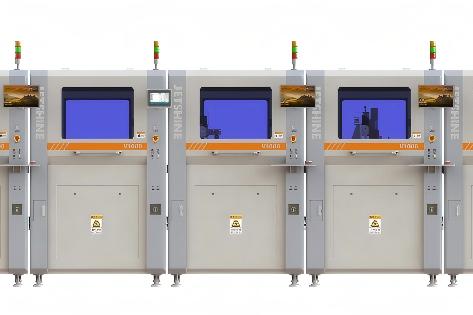
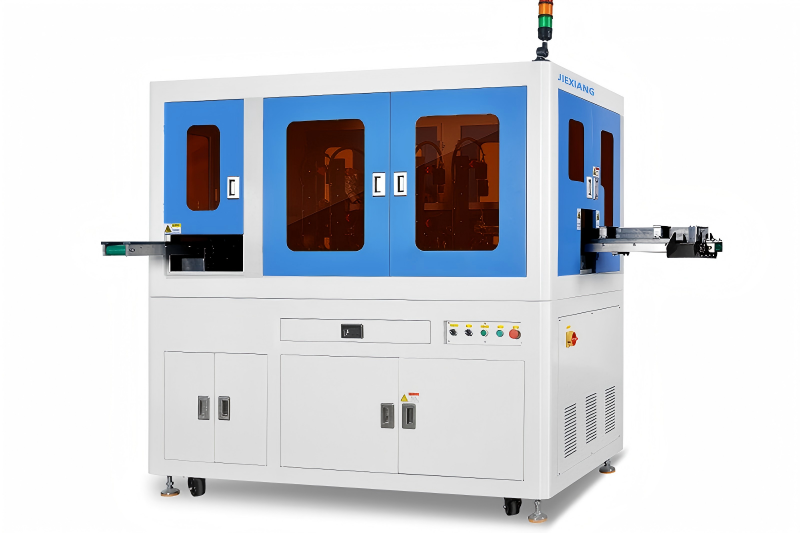
An automated FPC front and back detection line involves:
-
Machine purchase cost
-
Installation and integration
-
Software configuration
The upfront investment is higher compared to manual inspection. However, operating costs are significantly lower once deployed. The system runs continuously with minimal operator intervention.
When calculated over 3–5 years, total cost per inspected panel often becomes lower than manual inspection. It are especially noticeable in high-volume production environments.
2. Inspection Accuracy and Yield Impact
Cost analysis should not focus only on direct expenses. Inspection accuracy also affects financial performance.
Manual Inspection Risks
-
Operator fatigue
-
Inconsistent judgment
-
Missed micro-defects
-
Subjective evaluation standards
Even small undetected defects can lead to product returns or assembly failures downstream. The cost of a defective batch entering SMT production is much higher than the inspection stage itself.
Automated Inspection Advantage
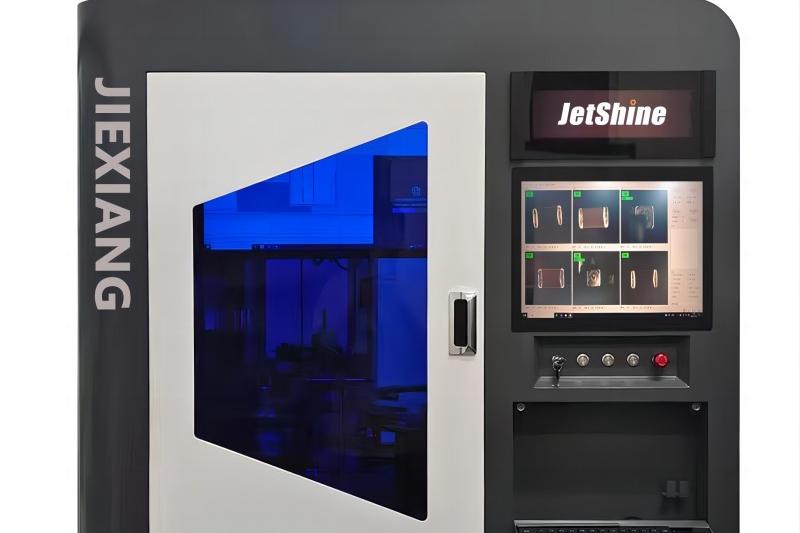
Automated FPC detection systems provide:
-
Stable, repeatable inspection accuracy
-
High-resolution image analysis
-
Consistent tolerance measurement
-
Front and back side simultaneous inspection
Reduced defect escape rate directly improves yield. Over time, improved yield significantly offsets equipment investment.
3. Production Efficiency and Throughput
Manual inspection speed is limited by human capability. As product complexity increases, inspection time per panel increases as well.
Automated FPC detection lines operate at stable high speed and can integrate into continuous production lines. This reduces bottlenecks and improves overall production efficiency.
In fast-growing electronics manufacturing, scalability matters. Automated systems support capacity expansion without proportional labor increase.
4. Data Value and Process Optimization
Manual inspection typically produces limited digital records. In many factories, inspection results are recorded manually or stored locally without systematic analysis.
In contrast, automated FPC front and back detection lines generate:
-
Real-time defect statistics
-
Yield trend analysis
-
Traceability records
-
SPC-ready data
This data enables process optimization and predictive quality control. So it’s not just about finding defects—it’s about preventing them.
5. Risk Reduction and Customer Confidence
For industries such as automotive electronics and medical devices, traceability and consistency are mandatory.
Automated detection systems provide digital inspection records that enhance audit readiness and customer trust. In competitive B2B markets, quality assurance capability becomes a differentiator.
Lower risk translates to lower hidden costs.
Cost Comparison Summary
| Factor | Manual Inspection | Automated FPC Detection Line |
|---|---|---|
| Initial Cost | Low | High |
| Labor Cost | High (continuous) | Low |
| Inspection Consistency | Variable | Stable |
| Speed & Throughput | Limited | High |
| Data & Traceability | Limited | Comprehensive |
| Long-Term ROI | Lower | Higher |
When production volume is small and product requirements are simple, manual inspection may still be viable. However, for medium to large-scale FPC manufacturers, automated detection lines deliver better cost efficiency over time.
Conclusion
While manual inspection appears affordable in the short term, hidden labor costs, inconsistency risks, and yield loss often make it more expensive in the long run.
An automated FPC front and back detection line requires higher initial investment but offers long-term savings through improved yield, stable inspection accuracy, higher throughput, and valuable production data.
For manufacturers aiming to scale operations and strengthen quality control, automation is not just a technological upgrade—it is a strategic financial decision.
Recent Posts
Contact US
Product Information
Quantity
Unit
Piece
Support order samples, customization, wholesale direct, and complete payment. If the product you look for does not have corresponding customized content, pls fill out the form below to contact us, and we will reply ASAP.