

How Do Chip Capacitor and Resistor Detection and Screening Machines Improve Electronic Component Quality?
2026-03-11
In modern electronics manufacturing, chip capacitors and chip resistors are among the most widely used passive components. They are found in almost every electronic product—from smartphones and laptops to automotive electronics and industrial control systems. Because these components are produced in extremely high volumes, even a small defect rate can lead to significant production losses.
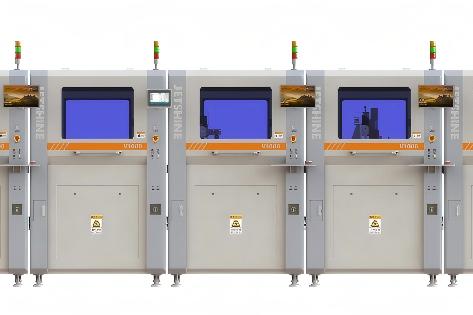
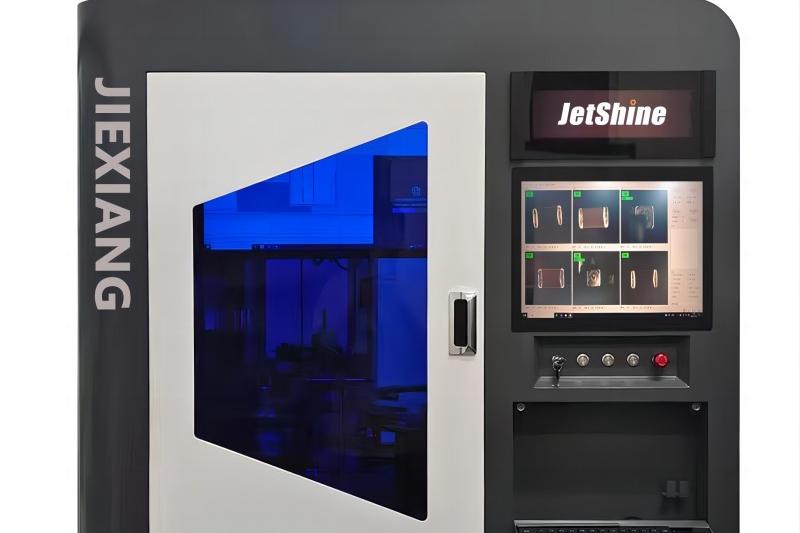
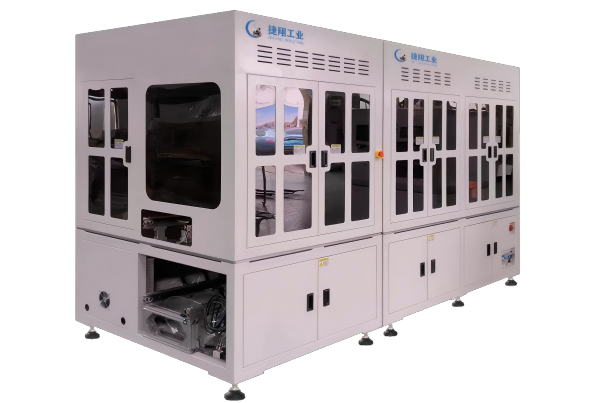
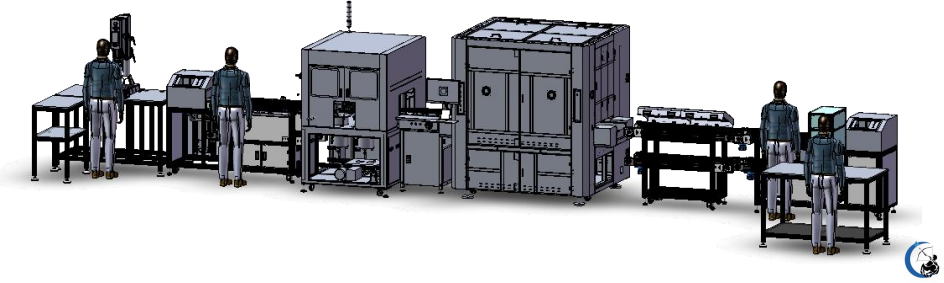
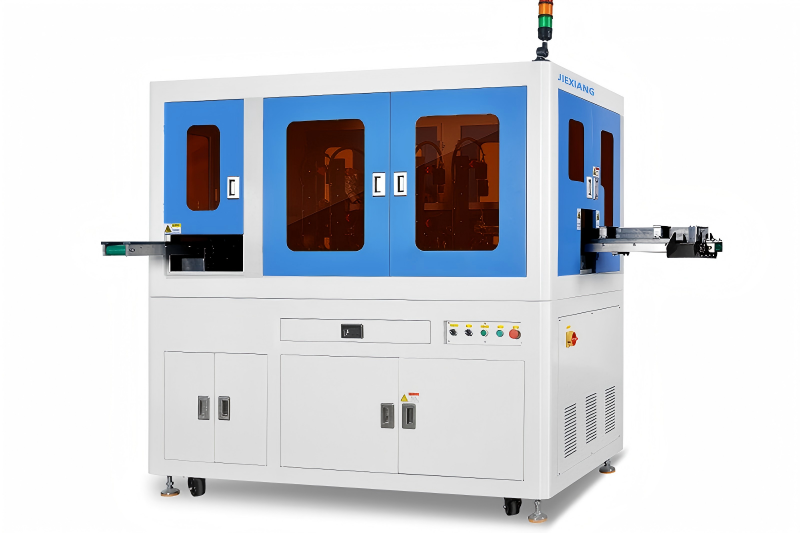
This is why manufacturers increasingly rely on chip capacitor and resistor detection and screening machines. By using advanced CCD visual inspection systems, these machines automatically inspect components, detect defects, and separate qualified products from defective ones.
So how exactly do these systems work, and why are they becoming essential in electronics manufacturing?
The Challenge of Inspecting Chip Capacitors and Resistors
Chip capacitors and resistors are extremely small components, often only a few millimeters in size. Manual inspection is difficult and time-consuming, especially when thousands or even millions of units must be checked daily.
Common inspection challenges include:
-
Tiny dimensional variations
-
Surface defects that are difficult to see with the naked eye
-
Inconsistent resistance or capacitance parameters
-
High-speed production requirements
In manual inspection environments, fatigue and subjective judgment can lead to inconsistent results. Over time, these issues may affect overall product reliability.
This is where automated screening technology becomes valuable.
Working Principle of a Visual Inspection and Screening Machine
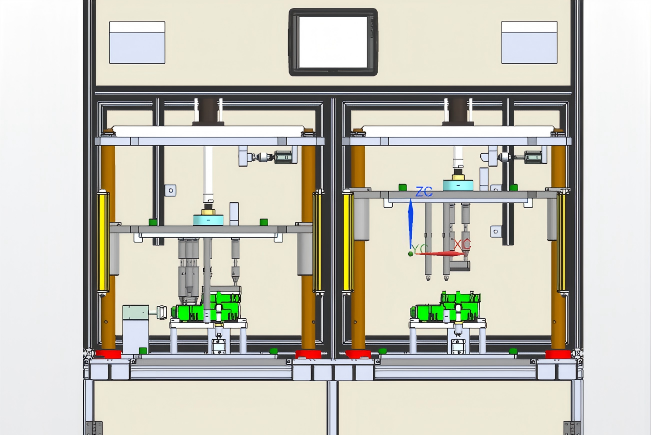
A chip capacitor and resistor detection and screening machine uses a CCD-based visual inspection system as its central control unit.
The inspection process generally includes several stages:
1. Automated Material Loading
Components are automatically fed into the inspection system through a vibration feeder or automated loading mechanism. This ensures stable positioning and continuous production flow.
Automation at this stage reduces manual handling and improves inspection efficiency.
2. Image Capture Using CCD Vision System
Once the components reach the inspection area, high-resolution CCD cameras capture detailed images of each component. Specialized lighting systems enhance contrast, making it easier to detect subtle defects.
The system analyzes these images using advanced image-processing algorithms.
3. Displacement and Visual Sensing Technology
In addition to image recognition, displacement sensing technology measures the physical dimensions of each component.
This allows the machine to detect issues such as:
-
Size deviations
-
Shape irregularities
-
Surface damage
-
Misalignment
These measurements are compared against preset quality standards.
4. Parameter-Based Identification
The system automatically evaluates each component according to predefined capacitance or resistance parameters. Components that fall outside acceptable ranges are identified as defective.
And honestly, this step is where automation really shines—machines can analyze thousands of components per minute with consistent accuracy.
5. Automatic Sorting and Screening
After inspection, the machine automatically separates qualified products from defective ones.
This screening process ensures that only components meeting quality standards proceed to packaging or downstream assembly processes.
Advantages of Automated Chip Component Screening Machines
Manufacturers adopt automated detection and screening machines for several important reasons.
Higher Inspection Accuracy
CCD vision systems provide stable and repeatable inspection results. Unlike manual inspection, machines do not suffer from fatigue or inconsistent judgment.
Improved Production Efficiency
Automated systems can inspect large quantities of components at high speed. This helps manufacturers keep up with the demands of modern electronics production.
Reduced Labor Costs
Automation significantly reduces the need for manual inspectors, lowering long-term operating costs.
Better Quality Traceability
Inspection machines can record production data, including defect types and inspection results. This information helps manufacturers analyze production processes and improve overall quality control.
It also helps companies meet strict quality requirements from customers in industries such as automotive electronics and telecommunications.
Applications in Electronics Manufacturing
Chip capacitor and resistor screening machines are widely used in industries such as:
-
Consumer electronics manufacturing
-
Automotive electronics production
-
Telecommunications equipment manufacturing
-
Industrial control systems
-
Smart devices and IoT products
As electronic devices become smaller and more complex, the demand for reliable component inspection continues to grow.
Conclusion
Quality control is a critical factor in electronics manufacturing, especially when dealing with high-volume passive components like chip capacitors and resistors.
By using CCD visual inspection systems, displacement sensing technology, and automated sorting mechanisms, chip capacitor and resistor detection and screening machines provide manufacturers with a reliable way to improve inspection accuracy, increase production efficiency, and ensure consistent product quality.
In today’s competitive electronics industry, automated component inspection is no longer just an option—it is a key part of modern manufacturing.
Recent Posts
Contact US
Product Information
Quantity
Unit
Piece
Support order samples, customization, wholesale direct, and complete payment. If the product you look for does not have corresponding customized content, pls fill out the form below to contact us, and we will reply ASAP.