


What Defects Are Most Common in FPC Manufacturing and How Are They Detected?
2026-02-02
Flexible Printed Circuits (FPCs) are essential components in modern electronics. They enable compact designs, lightweight structures, and flexible connections in products such as smartphones, wearables, automotive electronics, and medical devices. However, the flexibility and thin structure of FPCs also make them vulnerable to various manufacturing defects.
Understanding the most common defects in FPC manufacturing—and how they are detected—helps manufacturers reduce failure rates, improve yield, and maintain consistent product quality. So let’s break it down in a clear and practical way.
Why FPC Defects Are More Difficult to Control
Compared with rigid PCBs, FPCs are thinner, softer, and more sensitive to handling, material variation, and process stability. Small deviations in lamination, etching, coating, or alignment can easily cause defects.
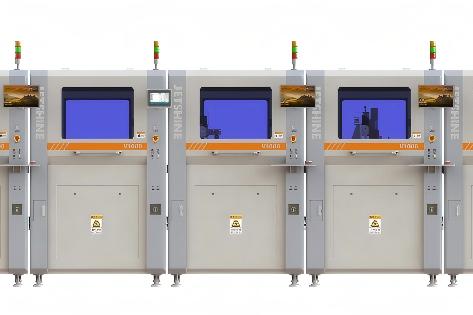
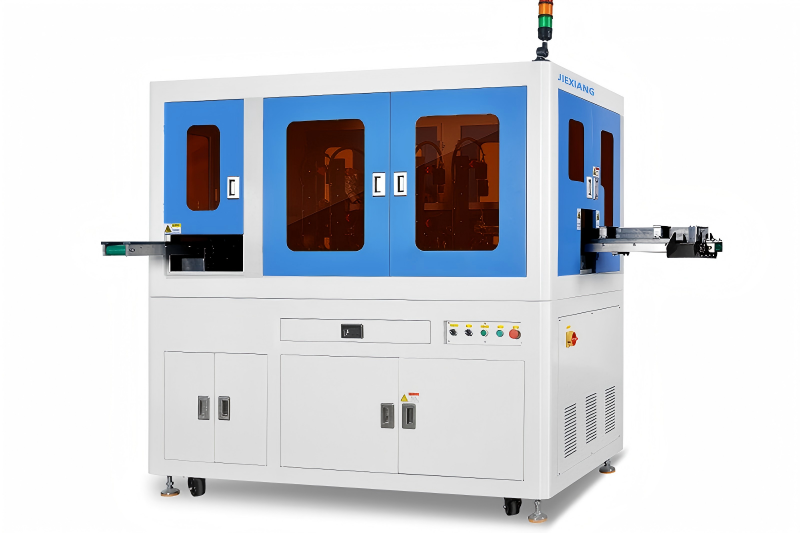
In high-volume production, manual inspection struggles to maintain consistency. And let’s be real, human inspectors can’t stare at tiny circuits all day without missing something. This is why automated inspection systems, including FPC front and back detection lines, are increasingly adopted in modern factories.
Most Common Defects in FPC Manufacturing
1. Open Circuits and Short Circuits
Open circuits occur when conductive traces are broken or incomplete. Short circuits happen when adjacent traces unintentionally connect due to etching residue or contamination.
These electrical defects directly affect circuit functionality and may lead to product failure during final testing or customer use. Automated vision inspection systems can detect trace continuity issues by comparing actual patterns with reference models.
2. Line Width and Spacing Deviation
In fine-pitch FPC designs, line width and spacing tolerances are extremely tight. Even slight deviations can affect signal transmission stability.
Advanced detection systems measure critical dimensions in real time and flag deviations beyond acceptable tolerance ranges. Over time, this data also helps engineers identify process drift.
3. Surface Scratches and Physical Damage
Because FPCs are flexible and thin, surface scratches, dents, or cracks may occur during handling or transportation between processes.
These physical defects may seem cosmetic at first, but they can weaken circuit reliability. Automated FPC inspection equipment uses high-resolution cameras to detect surface abnormalities consistently.
4. Coating and Lamination Defects
Uneven coating, bubbles, or delamination on protective layers can expose circuits to moisture or mechanical stress. Back-side defects in particular are often overlooked in manual inspection.
This is where front and back detection lines provide value by inspecting both sides of the FPC in one continuous process.
5. Contamination and Foreign Particles
Dust, oil residue, and micro-particles can remain on the FPC surface and interfere with soldering or electrical performance. Over time, contamination may lead to corrosion or insulation breakdown.
Automated inspection systems detect contamination through contrast differences and surface reflection analysis. It help manufacturers maintain cleaner and more stable production quality.
How Automated FPC Detection Lines Identify These Defects
Modern FPC inspection lines integrate:
-
High-resolution CCD cameras
-
Stable lighting systems
-
Intelligent image processing algorithms
-
Front-side and back-side inspection modules
These systems perform full-surface scanning and compare detected patterns with reference standards. Once defects are identified, unqualified FPCs can be automatically marked or removed from the production flow.
Furthermore, inspection data is recorded for traceability and process improvement. Over time, manufacturers can use this data to optimize lamination, etching, and coating parameters.
Why Early Defect Detection Matters
Detecting defects early in the manufacturing process prevents defective FPCs from entering assembly lines. This reduces rework, lowers scrap rates, and improves overall production efficiency.
From a cost perspective, early detection is always cheaper than discovering failures at the final product stage. And yeah, nobody likes expensive surprises in production.
Conclusion
FPC manufacturing faces unique quality challenges due to the thin and flexible nature of materials. Common defects such as open circuits, line deviation, surface damage, coating issues, and contamination can significantly impact product performance.
By implementing automated FPC front and back detection lines, manufacturers can detect defects accurately, stabilize quality, and improve production efficiency. In today’s competitive electronics industry, reliable inspection is no longer optional—it is a core part of manufacturing success.
Recent Posts

Contact US
Product Information
Quantity
Unit
Piece
Support order samples, customization, wholesale direct, and complete payment. If the product you look for does not have corresponding customized content, pls fill out the form below to contact us, and we will reply ASAP.