
Common Screw Defects and How Automated Screening Machines Detect Them
2026-01-20
In industrial manufacturing, screws are among the most frequently used components. However, they are also one of the most underestimated sources of quality risk. A single defective screw can cause assembly failure, product malfunction, or even safety incidents. That is why identifying common screw defects and detecting them early has become a critical task for manufacturers.
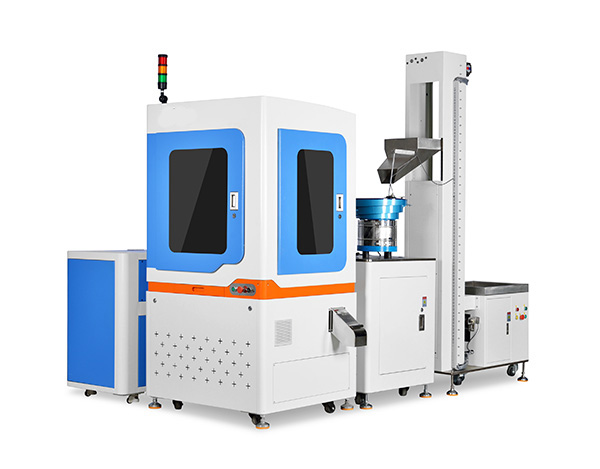
This article explains the most common screw defects found in mass production and how automated screw detection and screening machines accurately identify these issues before they impact downstream processes.
Why Screw Defects Are Hard to Control with Manual Inspection
Manual inspection relies heavily on human vision and experience. While operators may catch obvious defects, subtle dimensional or thread-related problems are often overlooked—especially during repetitive work.
Over time, fatigue reduces consistency, and inspection accuracy drops. As production volumes increase, this approach simply does not scale well, and the defect rate become higher than expected.
This is exactly where automated screening machines make a real difference.
Most Common Screw Defects in Manufacturing
1. Dimensional Deviations
Dimensional accuracy is fundamental for screw performance. Common problems include:
-
Incorrect length
-
Out-of-tolerance diameter
-
Improper head height
Even minor dimensional deviations can cause improper fastening or assembly stress. Automated screw screening machines use high-precision measurement modules to inspect each screw against predefined tolerance values.
2. Thread Defects
Thread-related issues are among the most critical screw defects, including:
-
Incomplete or damaged threads
-
Incorrect thread pitch
-
Burrs or deformation along the thread
Vision-based detection systems combined with mechanical inspection modules can identify thread inconsistencies quickly and consistently. This helps prevent screws from jamming or failing during assembly.
3. Head Shape and Slot Defects
Screw heads must meet strict shape and alignment requirements. Common defects include:
-
Deformed heads
-
Off-center slots
-
Cracks or surface damage
Automated inspection systems analyze head geometry and appearance using CCD cameras and image processing algorithms. In simple terms, the machine checks every screw like a tireless inspector who never blinks.
4. Surface Defects and Contamination
Surface quality also affects screw performance and appearance. Typical issues include:
-
Rust or oxidation
-
Oil contamination
-
Scratches and dents
Advanced screw detection machines can identify surface abnormalities through contrast analysis and reflection changes, ensuring only clean and qualified screws pass inspection.
How Automated Screening Machines Detect These Defects
Multi-Parameter Inspection in One Process
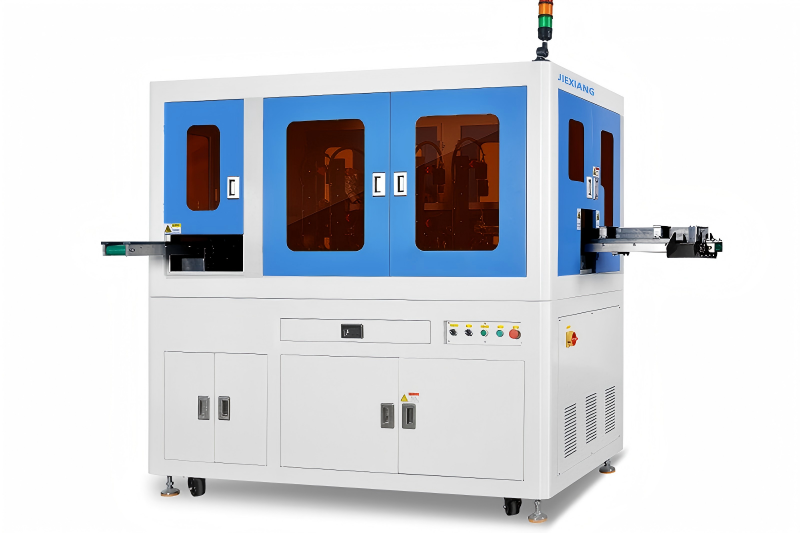
Modern screw screening machines are designed to inspect multiple parameters simultaneously. Instead of checking one defect at a time, they perform dimensional, appearance, and thread inspections in a single workflow.
As a result, inspection speed improves significantly without sacrificing accuracy.
Stable Sorting and Automatic Rejection
Once defects are detected, unqualified screws are automatically separated from qualified ones. This closed-loop process ensures that defective fasteners never reach the assembly line.
And yes, this is where things really get efficient.
Data Collection and Process Optimization
Many automated screening systems support inspection data recording. This allows manufacturers to:
-
Analyze defect trends
-
Identify upstream process issues
-
Improve mold, machining, or heat treatment processes
Over time, inspection data becomes a valuable tool for continuous quality improvement.
Industries That Benefit Most from Automated Screw Screening
Automated screw detection and screening machines are widely used in:
-
Automotive and auto parts manufacturing
-
Electronics and electrical equipment
-
Home appliances
-
Precision mechanical components
In these industries, fastener reliability is directly linked to product quality and brand reputation.
Conclusion
Screw defects may appear small, but their impact on product quality is significant. Understanding common screw defects—and detecting them early—is essential for modern manufacturing operations.
By adopting automated screw detection and screening machines, manufacturers can achieve higher inspection accuracy, reduce manual dependency, and ensure stable, repeatable quality control. In today’s competitive environment, that reliability is not just helpful—it is necessary.
Recent Posts
Contact US
Product Information
Quantity
Unit
Piece
Support order samples, customization, wholesale direct, and complete payment. If the product you look for does not have corresponding customized content, pls fill out the form below to contact us, and we will reply ASAP.