


What Is an FPC Front and Back Detection Line and Why Does It Matter?
2026-01-28
Flexible Printed Circuits (FPCs) are everywhere in modern life. From smartphones and wearable devices to automotive electronics and medical equipment, FPCs play a critical role in making products lighter, thinner, and more flexible. However, as FPC structures become more complex, quality inspection becomes increasingly challenging.
This is where an FPC front and back detection line comes into play. In this article, we explain what it is, how it works, and why manufacturers are paying more attention to automated front and back inspection solutions.
Understanding the Basics of FPC Inspection
An FPC is different from a traditional rigid PCB. It is thin, flexible, and often produced in large volumes. Because of these characteristics, defects on either side of the circuit can directly affect electrical performance and long-term reliability.
Front-side defects may include line breaks, scratches, or contamination. Back-side issues often involve coating defects, alignment problems, or foreign particles. If either side is overlooked, the final product may fail unexpectedly.
So, inspecting both sides is not optional anymore—it’s necessary.
What Is an FPC Front and Back Detection Line?
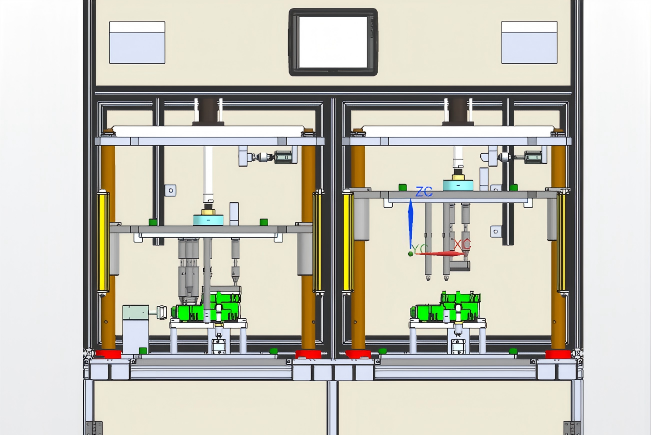
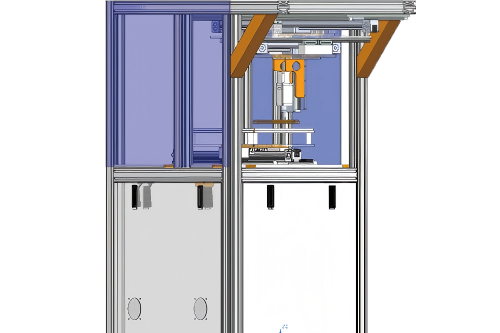
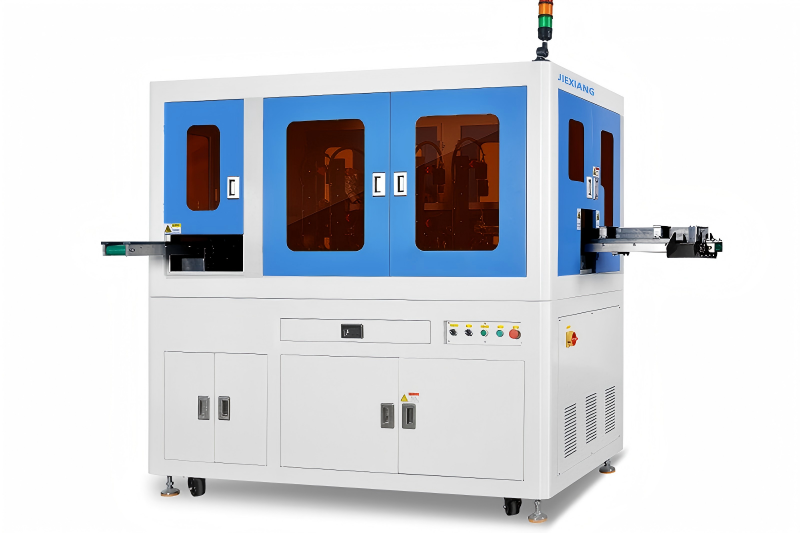
An FPC front and back detection line is an automated inspection system designed to inspect both sides of flexible printed circuits in a continuous production process.
Instead of manually flipping materials or inspecting one side at a time, the detection line integrates:
-
Automated material feeding
-
Front-side inspection modules
-
Back-side inspection modules
-
Intelligent data processing and sorting
This integrated design ensures consistent inspection quality while maintaining high throughput. And honestly, that’s a big deal for manufacturers under pressure to deliver both speed and quality.
Key Defects Detected in Front and Back Inspection
Front-Side Defects
Common front-side defects include:
-
Open or short circuits
-
Broken or incomplete traces
-
Surface scratches
-
Ink or plating inconsistencies
High-resolution vision systems detect these issues with stable accuracy, even on fine-pitch FPC designs.
Back-Side Defects
On the back side, inspection typically focuses on:
-
Coating uniformity
-
Adhesive residue
-
Foreign particles
-
Alignment deviation
Although these defects may seem minor, they can lead to delamination or electrical instability later. This is why back-side inspection should never be ignored.
Why Automated Detection Lines Replace Manual Inspection
Manual inspection of FPCs is labor-intensive and difficult to standardize. Operators must inspect thin, flexible materials for long periods, which leads to fatigue and inconsistent results. Over time, inspection quality drop without anyone noticing immediately.
Automated front and back detection lines solve these issues by offering:
-
Stable inspection accuracy
-
High-speed continuous operation
-
Reduced human dependency
-
Digital inspection records for traceability
As production volumes grow, this automation becomes not just helpful, but essential.
How an FPC Detection Line Fits into Modern Manufacturing
Modern electronics manufacturing emphasizes efficiency, traceability, and process control. An FPC front and back detection line integrates seamlessly into smart production lines by providing real-time inspection data.
Manufacturers can use this data to identify defect trends, adjust upstream processes, and improve overall yield. In other words, inspection is no longer just about rejection—it’s about improvement.
Who Needs an FPC Front and Back Detection Line?
This type of detection line is widely used in:
-
Consumer electronics manufacturing
-
Automotive electronics
-
New energy and battery systems
-
Medical device production
Any industry that relies on high-reliability flexible circuits can benefit from automated front and back inspection.
Conclusion
As FPC designs become thinner and more complex, traditional inspection methods struggle to keep up. An FPC front and back detection line provides a reliable, efficient, and scalable solution for inspecting both sides of flexible circuits in a single process.
For manufacturers aiming to improve quality stability and production efficiency, investing in automated FPC inspection is a logical next step.
Recent Posts
Contact US
Product Information
Quantity
Unit
Piece
Support order samples, customization, wholesale direct, and complete payment. If the product you look for does not have corresponding customized content, pls fill out the form below to contact us, and we will reply ASAP.