
How Screw Detection and Screening Machines Improve Fastener Quality Control
2026-01-12
In modern manufacturing, screws may look like small and simple components, but they play a critical role in product safety, assembly efficiency, and long-term reliability. From automotive and electronics to household appliances and industrial equipment, even a minor defect in a screw can lead to serious quality issues.
This is why Screw Detection and Screening Machines have become essential equipment for manufacturers seeking stable quality control, high inspection accuracy, and scalable production efficiency.
Why Screw Quality Control Is More Important Than Ever
With increasing automation and higher product standards, traditional manual inspection of screws is no longer sufficient. Manual checks are:
-
Time-consuming and inconsistent
-
Highly dependent on operator experience
-
Difficult to scale for high-volume production
As production volumes grow and tolerances become tighter, manufacturers need a reliable way to detect defective screws before they enter the assembly line.
What Is a Screw Detection and Screening Machine?
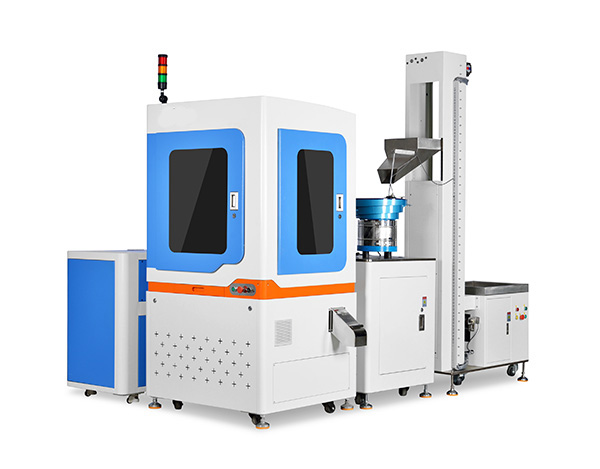
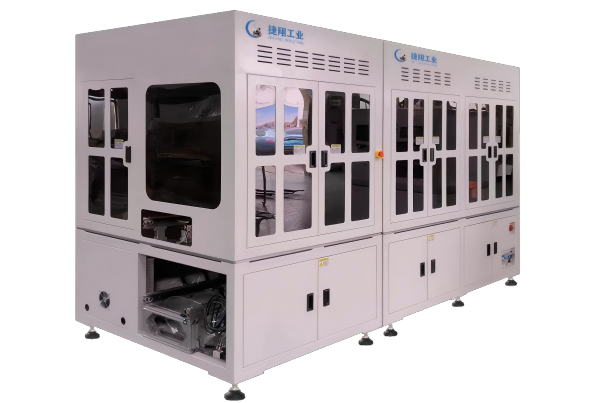
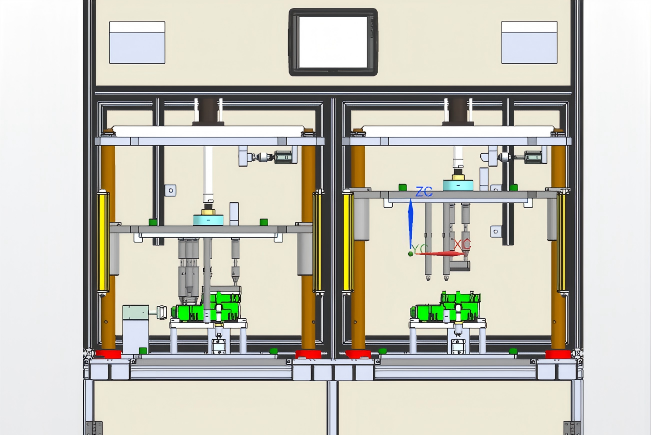
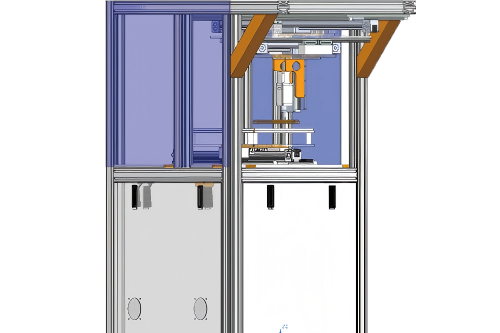
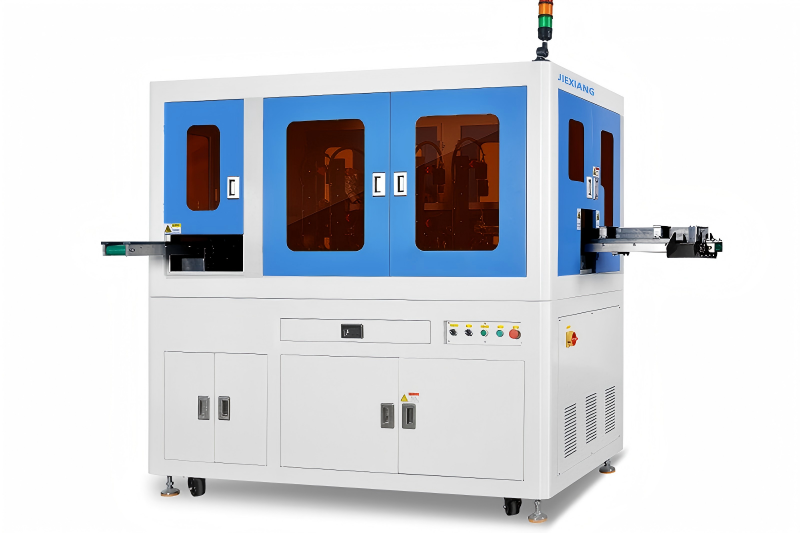
A Screw Detection and Screening Machine is an automated inspection system designed to detect dimensional and appearance defects in screws. It can automatically inspect and classify screws based on predefined quality criteria, replacing manual inspection processes.
Typical inspection items include:
-
Length and diameter accuracy
-
Thread completeness and pitch consistency
-
Head shape and slot integrity
-
Deformation, burrs, or surface defects
Once detected, unqualified screws are automatically separated from qualified ones, ensuring only compliant fasteners proceed to the next production stage.
Key Advantages of Automated Screw Screening
1. High Inspection Accuracy
Automated systems use sensors, cameras, and precision measurement modules to ensure consistent and repeatable inspection results. This significantly reduces the risk of human error.
2. Improved Inspection Speed
Compared with manual inspection, screw screening machines can process large quantities of fasteners in a short time. This is especially important for high-output factories where inspection speed directly affects delivery schedules.
3. Stable and Traceable Quality Control
Modern screw detection equipment can record inspection data, allowing manufacturers to track quality trends, identify recurring defects, and optimize upstream processes.
4. Lower Labor Costs
By replacing manual inspection, manufacturers reduce labor dependency while improving overall production stability. In the long run, this leads to a better cost-performance ratio.
Common Industries Using Screw Detection Equipment
Screw detection and screening machines are widely used in:
-
Automotive parts manufacturing
-
Consumer electronics and precision electronics
-
Home appliance assembly
-
Mechanical equipment and hardware production
In these industries, consistent fastener quality is not just a preference—it is a requirement.
Integrating Screw Screening into Automated Production Lines
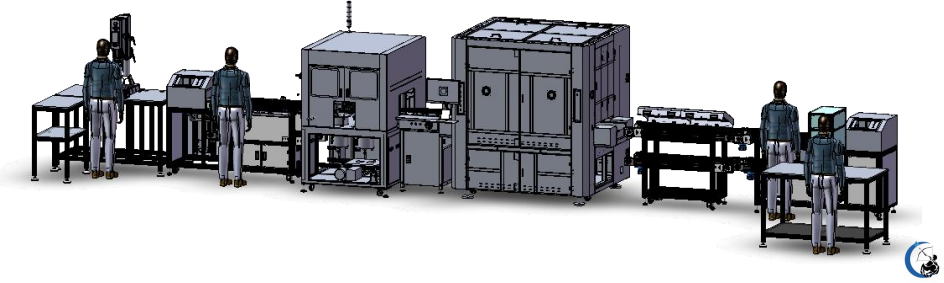
One of the major advantages of modern screw detection machines is their ability to integrate seamlessly into automated production lines. They can be connected with feeding systems, packaging equipment, and MES systems to form a complete quality control loop.
This integration helps manufacturers move toward smart manufacturing, where inspection, data collection, and quality decisions are all automated.
Conclusion
As manufacturing standards continue to rise, screw quality inspection can no longer rely on manual processes. Screw Detection and Screening Machines provide accurate, fast, and stable inspection solutions that help manufacturers reduce defects, improve assembly reliability, and strengthen overall product quality.
For factories aiming to improve efficiency and maintain consistent standards, automated screw screening equipment is no longer optional—it is a practical necessity.
Recent Posts
Contact US
Product Information
Quantity
Unit
Piece
Support order samples, customization, wholesale direct, and complete payment. If the product you look for does not have corresponding customized content, pls fill out the form below to contact us, and we will reply ASAP.