


Why Is Magnetic Core Testing Equipment So Important for Modern Power and Electronics Applications?
2025-12-30
Magnetic cores are widely used in everyday electronic products, yet most people rarely think about them. From phone chargers and power adapters to electric vehicles and industrial power supplies, magnetic cores play a critical role in energy conversion and signal stability. Because these components directly affect efficiency and reliability, accurate testing is no longer optional—it is essential.
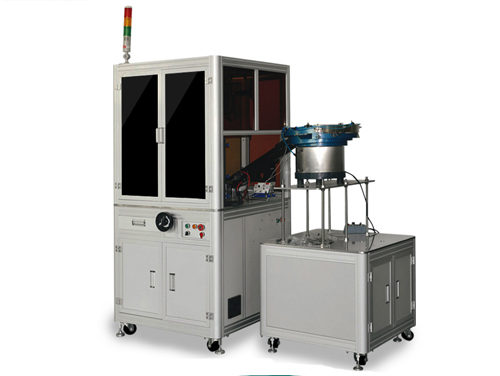
This is where Magnetic Core Testing Equipment becomes increasingly important for manufacturers aiming to ensure stable performance and consistent quality.
1. What Is a Magnetic Core and Why Does It Need Testing?
A magnetic core is typically made of ferrite, silicon steel, or other magnetic materials. It is used to concentrate and guide magnetic flux in components such as:
-
Transformers
-
Inductors
-
Chokes
-
Reactors
Even small variations in magnetic properties can cause significant differences in performance. For example, inconsistent permeability or excessive core loss may result in overheating, energy waste, or shortened product lifespan.
Testing ensures that every magnetic core meets design requirements before being assembled into final products. Without testing, manufacturers risk hidden defects entering the production line, and this is something no factory wants to deal with.
2. What Can Magnetic Core Testing Equipment Measure?
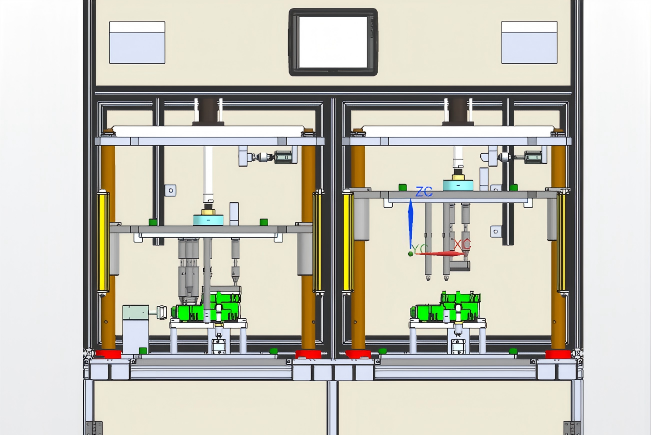
Modern magnetic core testing equipment is designed to evaluate multiple performance indicators in a controlled and repeatable way. Typical testing parameters include:
-
Inductance
-
Core loss
-
Magnetic permeability
-
Saturation characteristics
-
Resistance and impedance
By automating these measurements, the equipment provides accurate, consistent data that is difficult to achieve with manual testing methods. And honestly, manual testing for high-volume cores would be exhausting and unreliable.
3. How Does Automated Testing Improve Manufacturing Efficiency?
✔ Higher Testing Speed
Instead of testing cores one by one manually, automated systems can process large quantities quickly. This is especially important for industries with mass production demands.
✔ Improved Consistency
Every core is tested under the same conditions using the same standards. This eliminates subjective judgment and reduces variation between batches.
✔ Reduced Labor Costs
Operators only need to monitor the equipment rather than perform repetitive measurements. This improves productivity and lowers labor dependency.
✔ Better Data Traceability
Testing results can be recorded, analyzed, and used for quality audits or process optimization. Over time, this data helps manufacturers identify trends and improve upstream processes.
So while the equipment may seem like a “testing tool,” it actually plays a strategic role in overall production management.
4. Why Magnetic Core Testing Matters in Daily Life
Although magnetic core testing equipment is used in factories, its impact reaches everyday life. Consider these examples:
-
Power adapters that stay cool instead of overheating
-
Electric vehicles with stable power control systems
-
Renewable energy systems with higher conversion efficiency
-
Industrial equipment that operates reliably over long periods
All of these depend on high-quality magnetic components. Reliable testing ensures that end users experience safer and more durable products.
5. How This Equipment Fits Into Modern Quality Control Systems
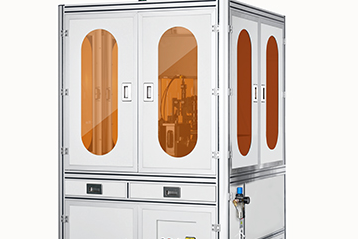
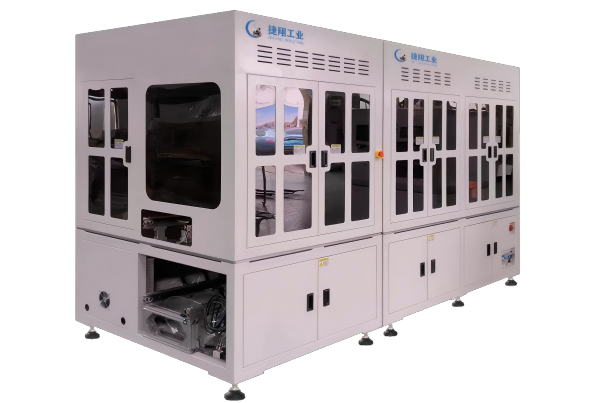
Magnetic core testing equipment is often integrated with other automated inspection solutions, such as vision inspection systems, component screening machines, and assembly line testers. Together, they create a complete quality control loop from raw material to finished product.
This approach aligns perfectly with smart manufacturing and Industry 4.0 trends. Manufacturers no longer rely on sampling inspection alone; instead, they move toward full-process quality assurance.
And once companies adopt automated testing, they rarely go back—it just makes too much sense.
Recent Posts

Contact US
Product Information
Quantity
Unit
Piece
Support order samples, customization, wholesale direct, and complete payment. If the product you look for does not have corresponding customized content, pls fill out the form below to contact us, and we will reply ASAP.