
Why Are Chip Capacitor and Resistor Detection Machines Becoming Essential in Modern Electronics Manufacturing?
2025-12-02
In today’s electronics manufacturing environment, accuracy is not just preferred—it is absolutely required. Whether a factory produces smartphones, consumer gadgets, automotive electronics, or industrial control boards, the quality of chip capacitors and resistors directly determines the reliability of the final product. These tiny components may look insignificant, but a single defective unit can lead to failures that are extremely costly to repair.
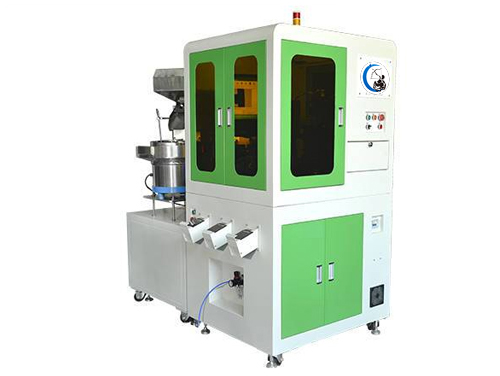
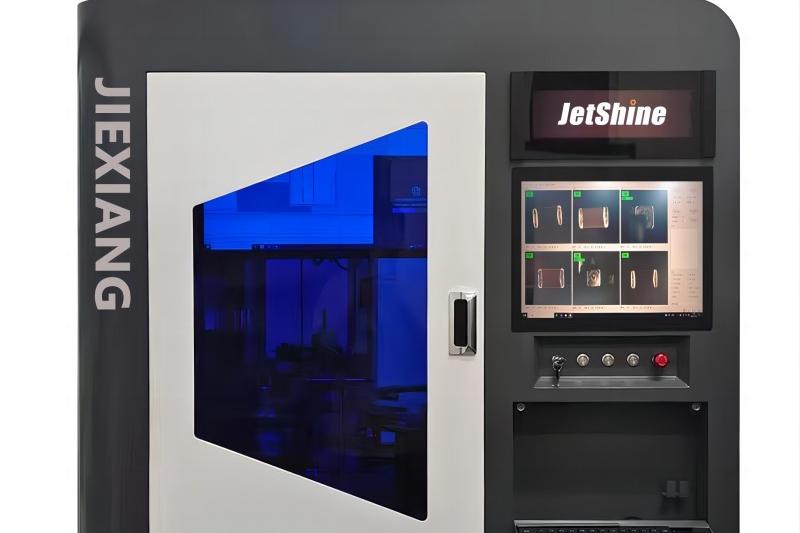
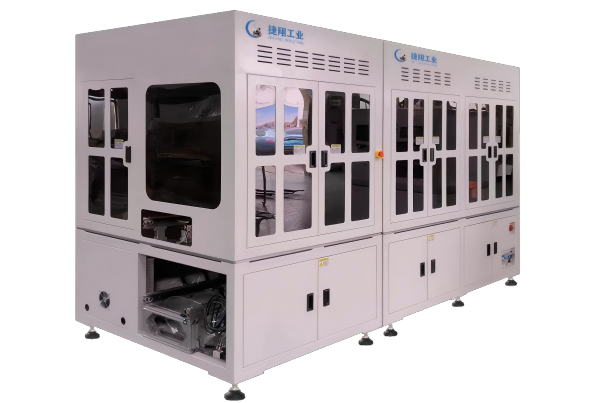
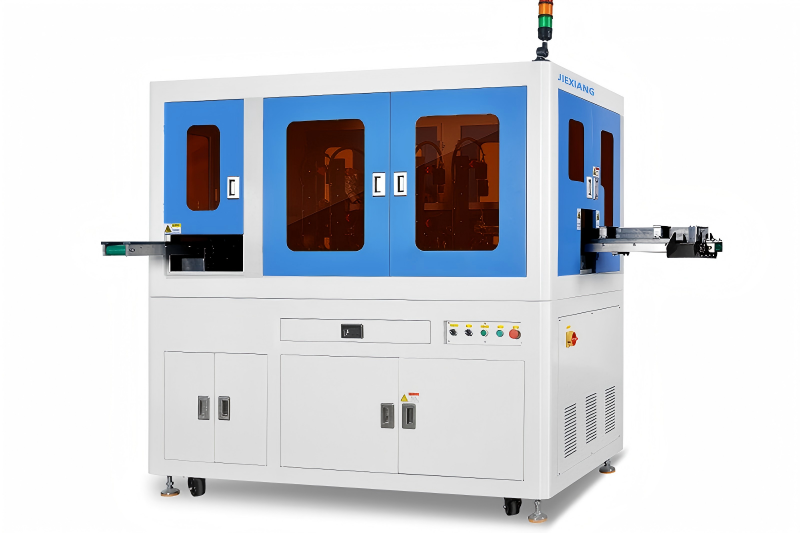
This is why many manufacturers are now adopting Chip Capacitor and Resistor Detection and Screening Machines. These automated systems help inspect, classify, and filter components before they enter the assembly line. By doing so, they protect downstream processes and help factories maintain stable production quality.
1. Understanding the Role of Chip Resistors and Capacitors in Everyday Electronics
To see why precision matters, it helps to understand what these components actually do:
-
Chip resistors regulate current flow
-
Chip capacitors store and release electrical energy
-
Both support voltage stability
-
Both influence the performance of circuit boards
They are everywhere—in your phone, laptop, smart home devices, medical equipment, cars, and even kitchen appliances.
Because these components are produced in large quantities, small variations in size, value, or structure may occur. When used in sensitive or high-density circuits, even a minor defect can lead to abnormal heating, unstable signals, shortened product life, or intermittent failure.
Manual inspection is simply not sufficient for components produced in millions. That's why automated screening systems have become a natural choice.
2. What Makes the Chip Capacitor and Resistor Screening Machine So Valuable?
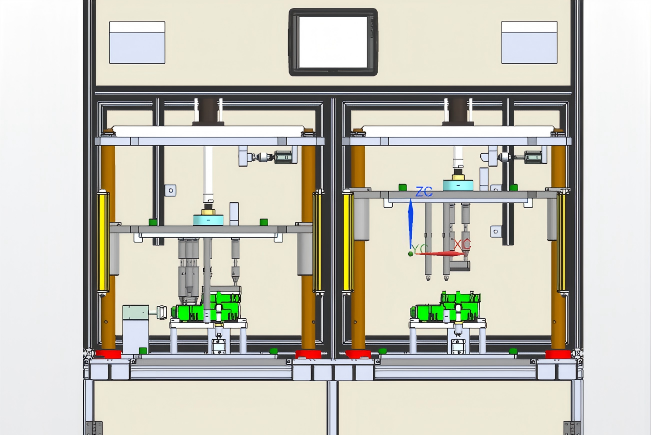
The Chip Capacitor and Resistor Detection and Screening Machine is designed to replace repetitive manual inspections and to ensure that only qualified components enter PCB assembly lines.
Its value can be summarized into several key advantages:
✔ High-Speed Detection
The machine inspects components at a rate impossible for human operators.
Large-volume manufacturing becomes more efficient, and production bottlenecks are reduced.
✔ Consistent Precision
Advanced optical imaging and measurement algorithms allow the system to detect:
-
Dimensional deviations
-
Surface defects
-
Marking inconsistencies
-
Appearance abnormalities
-
Packaging issues
And honestly, maintaining this consistency manually would be too difficult.
✔ Automated Classification and Sorting
Good components and defective units are automatically separated.
This prevents bad parts from entering reflow welding or SMT processes.
✔ Improved Traceability
Data can be stored for quality reports, trend analysis, and process improvement.
Manufacturers gain better visibility into defect causes and supplier quality.
✔ Reduced Labor Dependence
Relying on manual visual inspection for millions of components is simply not sustainable.
Automation ensures better stability and accuracy.
With these advantages, it’s no surprise the machine has become an “industry standard” in many electronics manufacturing facilities.
3. Real-Life Relevance: Why It Matters to Consumers Too
Although this is industrial equipment, its impact can be felt in everyday life.
Consider a few examples:
-
A faulty resistor in a smartphone charger may cause overheating
-
A damaged capacitor in a laptop motherboard can cause unexpected shutdowns
-
A defective resistor in a vehicle sensor may affect driving safety
-
A bad capacitor in home appliances may shorten product lifespan
So, while customers may never see the screening machine working behind the scenes, it directly influences the performance and reliability of the electronics they rely on every single day.
This is where automated quality control truly makes a difference.
4. How This Connects to the Next Article in the Series
Our next blog will take this conversation one step further by exploring:
“How Do Chip Capacitor and Resistor Screening Machines Improve Overall SMT Line Stability?”
We will dive into production flow, SPC data, failure rate reduction, and how these machines integrate with AOI, SPI, and other inspection systems.
Recent Posts

Contact US
Product Information
Quantity
Unit
Piece
Support order samples, customization, wholesale direct, and complete payment. If the product you look for does not have corresponding customized content, pls fill out the form below to contact us, and we will reply ASAP.