
How Does Automated Chip Capacitor and Resistor Screening Improve Reliability in Electronic Devices?
2025-12-09
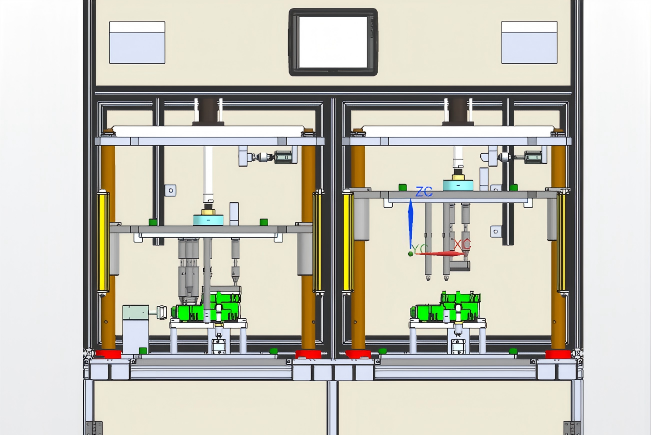
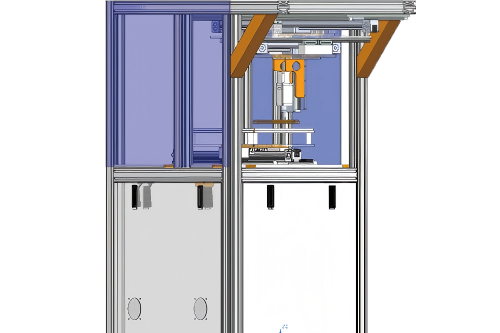
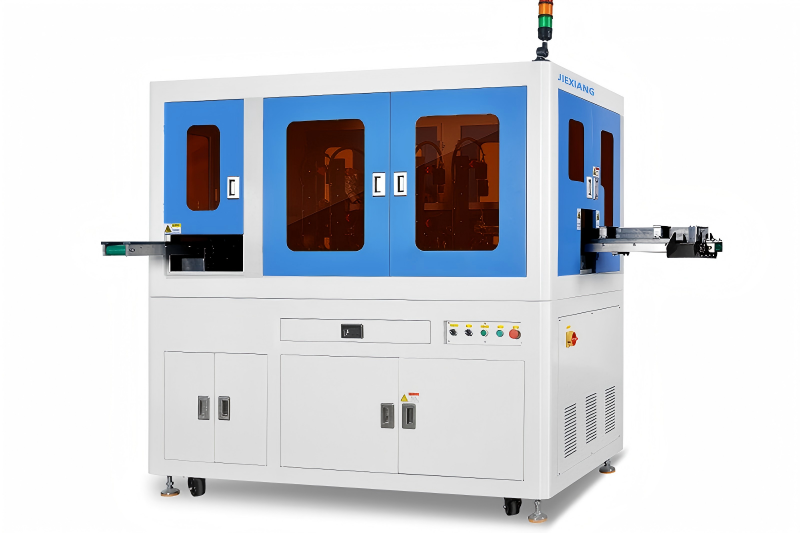
In today’s electronics industry, reliability is not just a requirement—it is a foundation for every consumer device, industrial controller, communication module, or automotive system. As components become smaller and production cycles become faster, traditional manual sampling inspection is no longer sufficient. This is why the Chip Capacitor and Resistor Detection and Screening Machine has become essential equipment for modern manufacturing. But how exactly does this automated system improve product reliability? This article offers a clear, foundational explanation suitable for ordinary readers while aligning with SEO best practices.
1. Ensuring Stable Quality Through 100% Full Inspection
Manual inspection often relies on sampling, which means only a portion of the components are tested. While this method is simple, it leaves room for defects to pass into the final product.
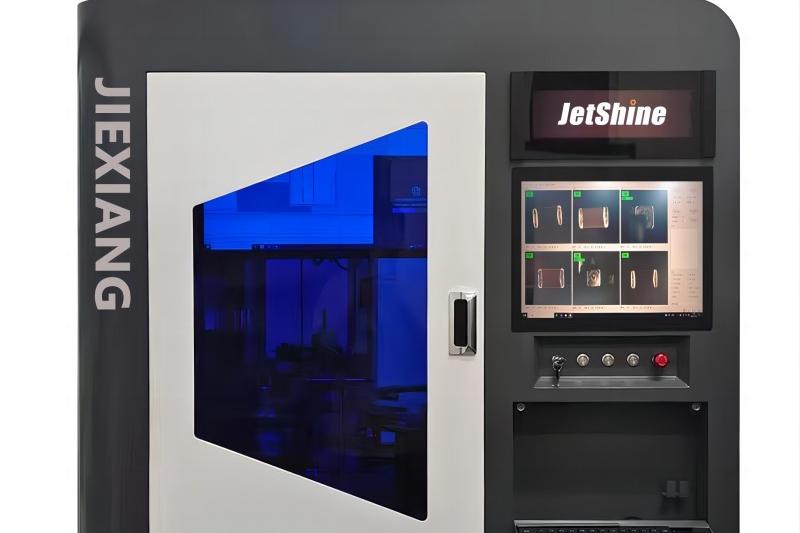
In contrast, a Chip Capacitor and Resistor Detection and Screening Machine performs full-process, 100% inspection, ensuring that every single component is measured and verified. By checking electrical parameters—such as capacitance, resistance value, tolerance, and leakage—manufacturers significantly reduce the possibility of defective components entering downstream assembly lines.
This approach directly increases product reliability because the consistency of each tiny component determines the long-term stability of the entire circuit.
2. Minimizing Human Error for Higher Consistency
Even the most experienced workers can make mistakes, especially when dealing with hundreds of thousands of micro-components per day. Fatigue, variations in technique, and subjective judgment all lead to inconsistencies.
Automated screening eliminates these factors entirely. The machine uses:
-
High-precision sensors
-
Consistent measurement algorithms
-
Automated rejection and classification systems
Together, these create a more stable and highly repeatable inspection environment. Compared to manual work, the improvement in reliability is both measurable and significant.
3. Faster Defect Feedback for Better Production Control
One of the hidden benefits of fully automated screening is its ability to provide real-time data feedback. Instead of detecting defects after large batches have been produced, manufacturers can receive immediate alerts if parameter drift or abnormal material quality is detected.
This helps factory teams:
-
Identify production issues early
-
Adjust upstream processes promptly
-
Avoid large-scale waste and rework
The result is a more efficient, stable, and predictable manufacturing workflow.
4. Consistent Screening Tied to Previous Processes
As discussed in earlier blogs, many automated inspection systems—whether for springs, sealing rings, or chip components—share a common advantage: they help standardize the entire production chain.
For chip capacitors and resistors, this consistency is especially important. These components sit at the heart of nearly all modern electronics, and even minor deviations can cause failures such as overheating, unstable signals, or shortened product life.
By integrating the screening machine into the automated production line, manufacturers create a more complete quality control ecosystem, connecting raw materials, assembly, testing, and final packaging. This interconnected process builds overall reliability and peace of mind for end users.
5. Supporting the Growth of High-Density Electronics
As electronic devices become:
-
Smaller
-
Thinner
-
More multifunctional
the density of components on a PCB continues to rise.
This means each resistor or capacitor must perform correctly without fail. Automated screening machines help manufacturers maintain the high accuracy required for these demanding applications—such as smartphones, automotive electronics, aerospace modules, and medical equipment.
With high-density integration becoming the industry standard, reliable automatic detection is no longer optional; it is essential.
The Chip Capacitor and Resistor Detection and Screening Machine plays a crucial role in enhancing the reliability of modern electronics. By delivering:
-
Full inspection
-
Reduced human error
-
Real-time feedback
-
Process consistency
-
High-density manufacturing support
it helps manufacturers maintain stable quality in an increasingly competitive market.
Recent Posts

Contact US
Product Information
Quantity
Unit
Piece
Support order samples, customization, wholesale direct, and complete payment. If the product you look for does not have corresponding customized content, pls fill out the form below to contact us, and we will reply ASAP.