
Why Is Automated Screening Essential for Chip Capacitors and Resistors in Modern Electronics?
2025-12-09
In today’s highly competitive electronics industry, every manufacturer faces the same critical challenge: how to ensure the reliability of tiny components like chip capacitors and chip resistors while keeping production efficiency high. Although these parts look simple, their performance directly affects the stability of smartphones, home appliances, automotive systems, medical devices, and many other products used in daily life.
This is exactly why more factories are switching from manual random testing to fully automated chip capacitor and resistor detection and screening machines. And honestly, once you understand how the system works, you’ll realize that nobody want to go back to manual checking anymore.
To build on what we discussed in the previous article—about how automated inspection strengthens quality control—this article dives deeper into why automated screening has become essential, not optional, in modern electronics production.
1. What Makes Manual Testing No Longer Enough?
Let’s be realistic:
Chip capacitors and resistors are incredibly small. Manually checking thousands or even millions of these parts is not just slow—it is nearly impossible to maintain accuracy.
Even trained operators face issues such as:
-
fatigue over long shifts
-
inconsistent judgement
-
limited inspection speed
-
inability to detect micro-defects
-
high risk of missing unstable components
Moreover, as electronic device requirements become stricter, a single defective resistor can lead to overheating, unstable currents, PCB failure, or even product recalls. That’s where automation steps in.
2. How Automated Detection Systems Improve Production Reliability
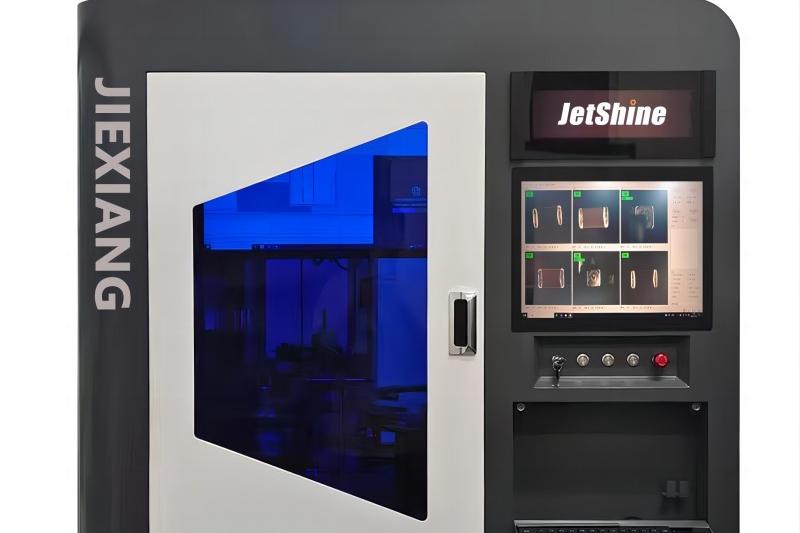
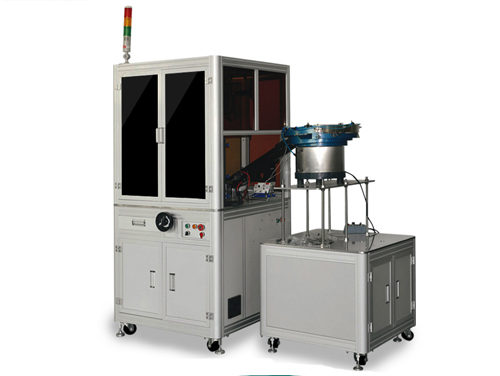
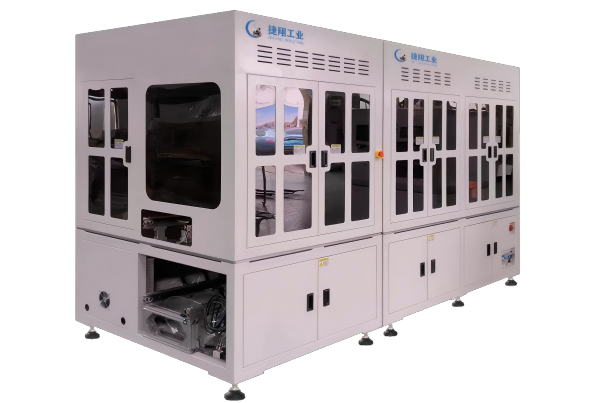
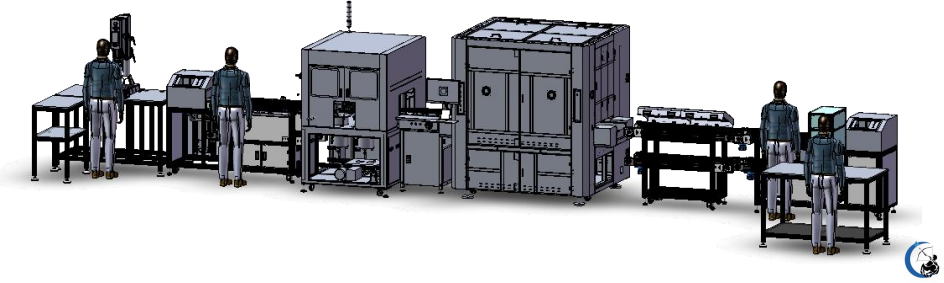
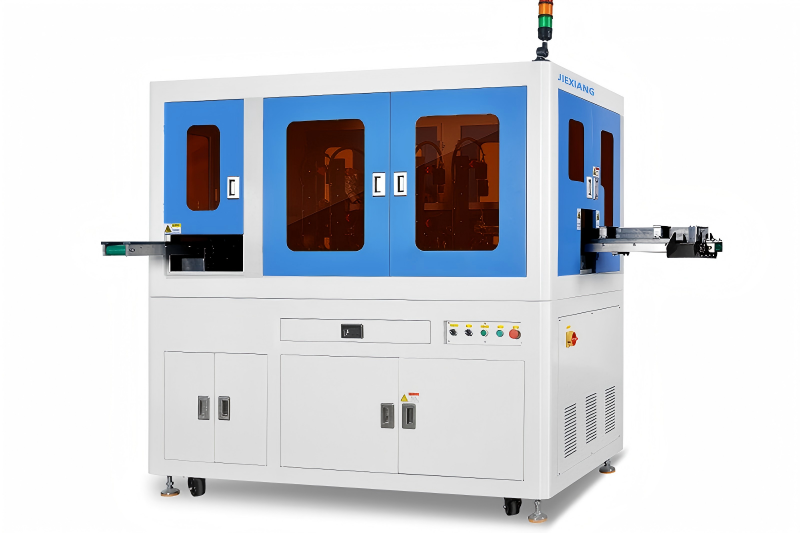
An automated chip capacitor and resistor detection and screening machine uses advanced CCD visual inspection, precision measurement algorithms, and high-speed sorting technology.
This combination allows the system to:
-
detect dimensional deviations
-
measure electrical performance parameters
-
identify surface cracks, chipping, or coating defects
-
screen out non-conforming components
-
ensure every batch meets specification standards
And here’s the best part: the machine maintains the same accuracy from the first piece to the last, something that manual inspection simply can’t achieve. Even so the system sometimes work very fast, but it keeps the stable performance all the time.
In addition, the system automatically records production data, which helps factories build long-term quality tracking mechanisms and improve traceability.
3. Why Is Automated Screening Becoming a Standard in the U.S. Market?
Because American electronics manufacturers increasingly prioritize:
-
reliable component quality
-
stable supply chains
-
compliance with industry standards
-
reduced failure rates
-
long-term cost efficiency
Automated screening machines align perfectly with these demands.
U.S. companies also invest more in sectors like EVs, telecommunications, consumer electronics, medical devices, and aerospace—fields where component quality cannot be compromised.
As a result, automated inspection equipment has shifted from a competitive advantage to a basic requirement for serious manufacturers.
4. How This Technology Strengthens the Whole Production Ecosystem
Not only does this equipment help factories improve output and reduce defects, but it also enhances:
-
product stability
-
customer satisfaction
-
brand credibility
-
overall competitiveness
Better component quality means better end products, which leads to lower returns and higher market trust.
And as we discussed in the previous blog, automated inspection is not only about replacing manual work—it's about establishing a smarter, more predictable, and more data-driven manufacturing workflow.
5. Should Smaller Manufacturers Consider Automated Screening?
Absolutely. Many small and medium-sized enterprises initially think this kind of equipment is only for large factories, but that’s no longer the case.
Modern screening machines are:
-
modular
-
scalable
-
more affordable than before
-
easy to integrate with existing production lines
This means even smaller companies can benefit from automated detection, especially when competing for high-value customers who demand strict quality control.
Automated screening for chip capacitors and resistors has become an essential component of modern electronics manufacturing. It improves reliability, enhances productivity, reduces human error, and builds long-term product stability.
With customer expectations increasing and global standards becoming more stringent, companies that invest in automated inspection now will gain a significant competitive edge in both domestic and international markets.
Recent Posts
Contact US
Product Information
Quantity
Unit
Piece
Support order samples, customization, wholesale direct, and complete payment. If the product you look for does not have corresponding customized content, pls fill out the form below to contact us, and we will reply ASAP.