
Why Is a Hanging Screw Detection and Screening Machine Important for Modern Manufacturing?
2025-12-16
In many manufacturing industries, screws are among the most commonly used fasteners. From household appliances and electronic devices to automotive components and industrial equipment, screws are everywhere. However, despite their simple appearance, hanging screws require strict dimensional accuracy and surface quality. Even a small defect can lead to assembly problems, loosened structures, or long-term reliability issues.
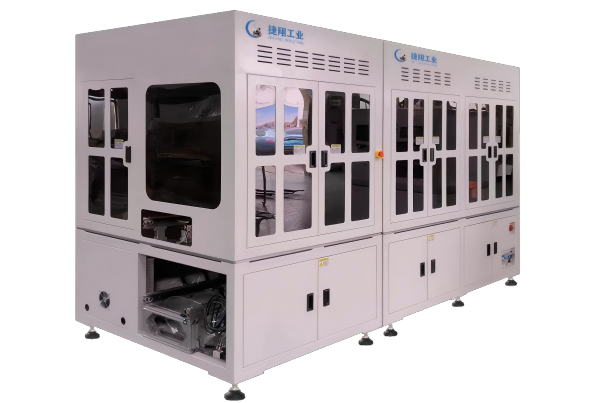
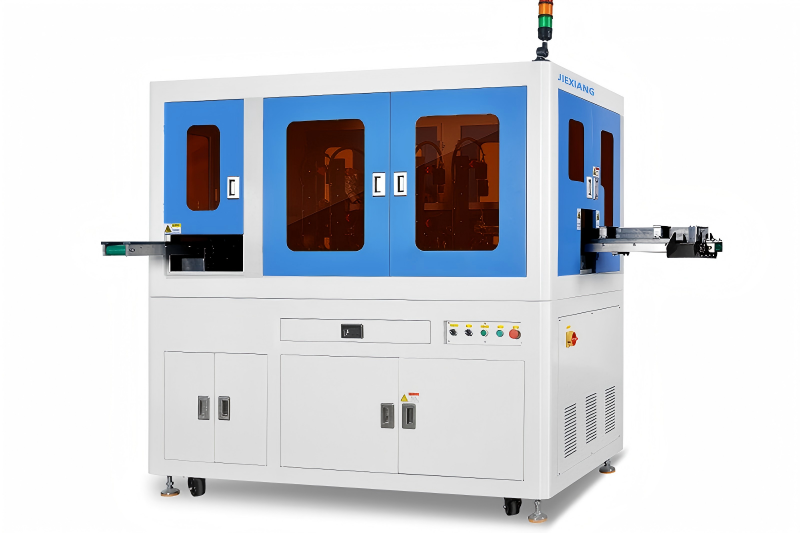
This is why the Hanging Screw Detection and Screening Machine has become increasingly important in modern manufacturing environments. Instead of relying on manual inspection, manufacturers are turning to automated solutions to ensure every screw meets quality standards before entering the assembly process.
1. What Are Hanging Screws and Where Are They Used?
Hanging screws are widely used in applications where secure fastening and precise positioning are required. Common industries include:
-
Automotive components
-
Home appliances
-
Mechanical assemblies
-
Electrical and electronic products
-
Industrial equipment manufacturing
These screws often need to meet strict requirements in terms of length, thread accuracy, head shape, and surface condition. If any of these parameters are out of tolerance, problems can occur during installation or long-term use.
In high-volume production, inspecting these screws manually is not only inefficient but also difficult to standardize. Human inspection quality can vary depending on experience, fatigue, and working conditions. Over time, this inconsistency increases quality risks.
2. Limitations of Manual Hanging Screw Inspection
Traditional inspection methods usually involve workers checking screws visually or using simple measuring tools. While this approach may work for small batches, it becomes problematic in mass production.
Key limitations include:
-
Inconsistent inspection standards between operators
-
Difficulty detecting minor defects or thread issues
-
Low inspection speed
-
High labor costs
-
Increased risk of defective screws reaching assembly lines
And to be honest, manually inspecting thousands of small screws every day is not an easy task for anyone.
As production volumes grow, these limitations become more obvious, pushing manufacturers to seek automated inspection solutions.
3. How the Hanging Screw Detection and Screening Machine Works
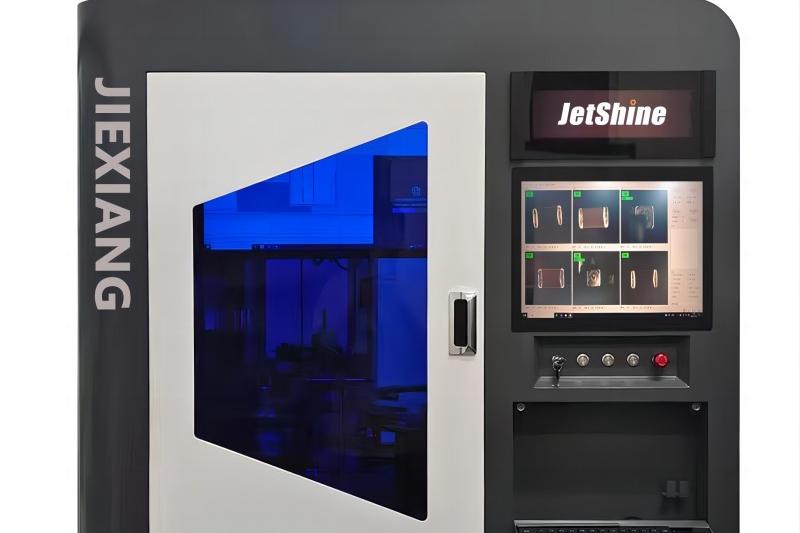
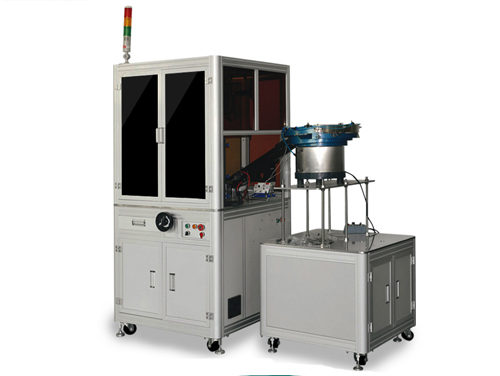
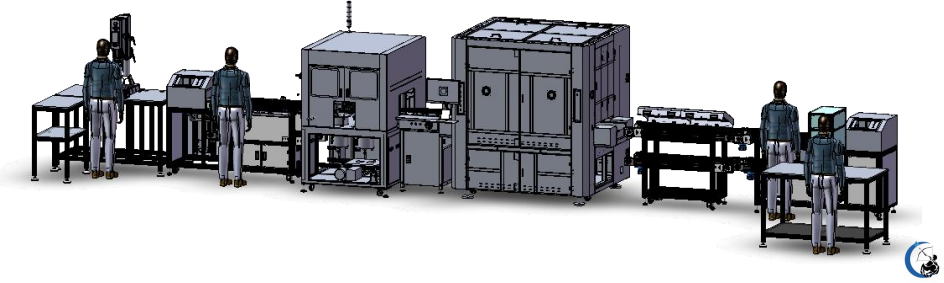
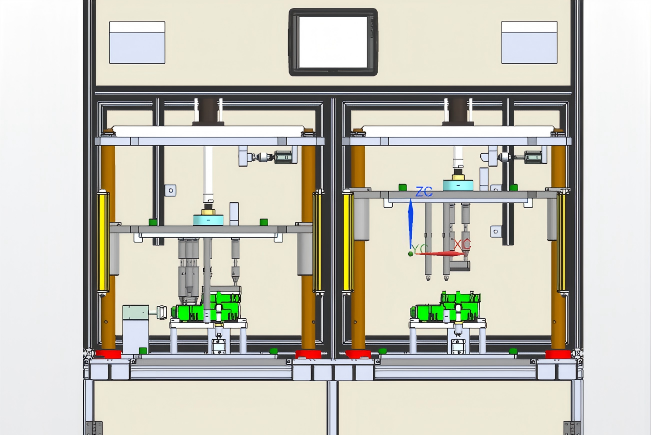
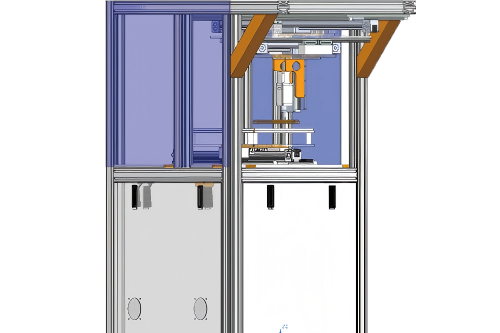
A Hanging Screw Detection and Screening Machine is designed to automatically inspect screws for dimensional accuracy and surface defects, then classify them based on inspection results.
① Automatic Feeding and Positioning
Screws are automatically fed into the inspection system and positioned accurately for measurement. This ensures stable and repeatable inspection conditions.
② High-Precision Detection
Using vision systems, sensors, or optical measurement technologies, the machine can detect:
-
Length deviations
-
Thread defects
-
Head shape abnormalities
-
Surface damage or deformation
The detection accuracy is significantly higher than manual inspection, especially for small or subtle defects.
③ Automated Screening and Sorting
Once inspection is complete, the machine automatically separates qualified and unqualified screws. This prevents defective parts from entering downstream assembly processes.
This whole process happens quickly and consistently, which is exactly what modern factories need.
4. Why Automated Screw Screening Improves Production Quality
Introducing automated screw detection offers several practical benefits:
✔ Higher Inspection Accuracy
Automated systems maintain stable inspection standards regardless of production volume or working hours.
✔ Improved Production Efficiency
Inspection speed increases dramatically, reducing bottlenecks in material preparation.
✔ Reduced Assembly Issues
When only qualified screws enter the assembly line, issues such as poor fit, looseness, or rework decrease noticeably.
✔ Better Quality Traceability
Inspection data can be recorded and analyzed, helping manufacturers improve process control and supplier management.
Over time, these benefits translate into better product reliability and stronger brand reputation.
Recent Posts
Contact US
Product Information
Quantity
Unit
Piece
Support order samples, customization, wholesale direct, and complete payment. If the product you look for does not have corresponding customized content, pls fill out the form below to contact us, and we will reply ASAP.